

Math concepts through play
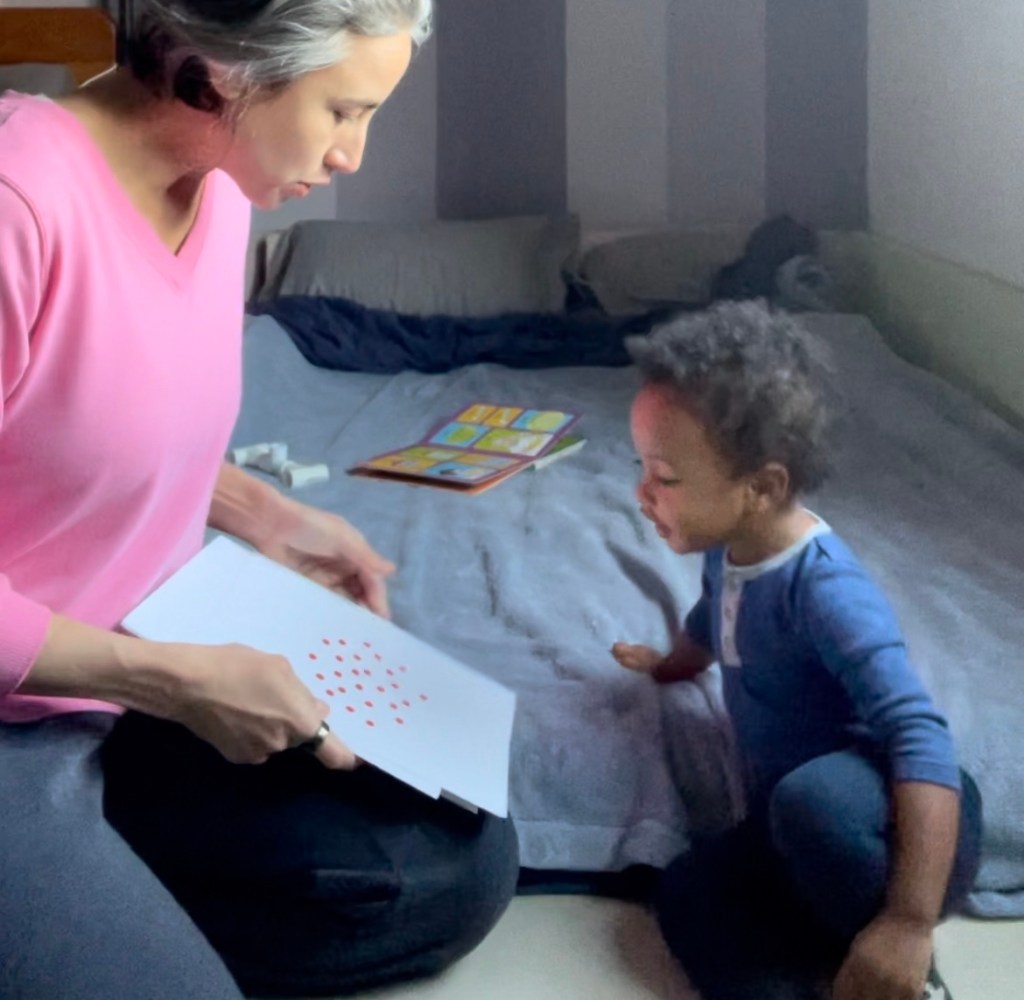
Quantity Recognition: Understanding “How Many”
Quantity recognition is the ability to recognize “how many” items are in a set without necessarily needing to count them individually. It’s about understanding a set of objects as a group and being able to estimate or directly know its size.
Why It’s Important: Recognizing quantity helps children grasp the fundamental idea that numbers represent groups of items, not just symbols. This sense of “how many” is more intuitive and is often referred to as subitizing—the ability to immediately recognize small quantities (like seeing three apples and knowing it’s three without counting each apple).
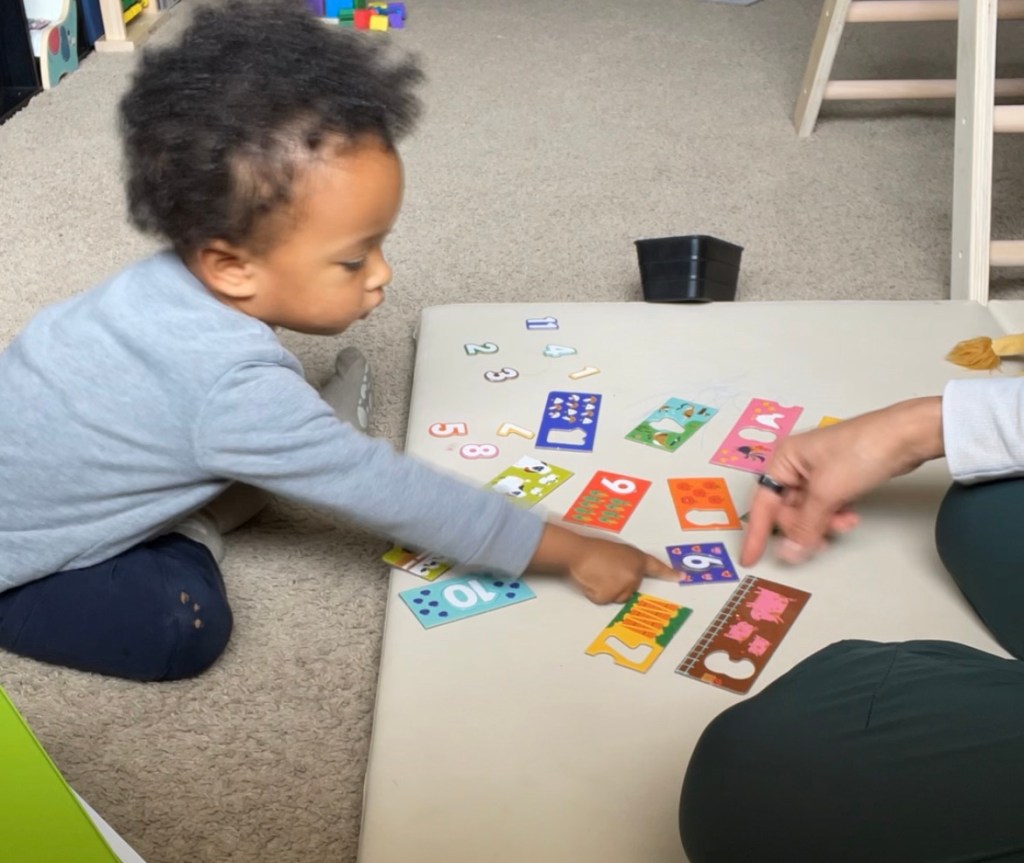
Number (Numeral) Recognition: Understanding Symbols for Quantities
Number recognition is the ability to recognize and name written numerals (e.g., 1, 2, 3). This skill is about associating visual symbols with verbal names and understanding that these symbols stand for quantities.
Why It’s Important: Recognizing numbers is a prerequisite for more formal math skills like counting, addition, and subtraction. However, without an understanding of quantity, numeral recognition is often memorization without comprehension. Knowing that “3” is a symbol for “three items” is essential for math skills to be meaningful.
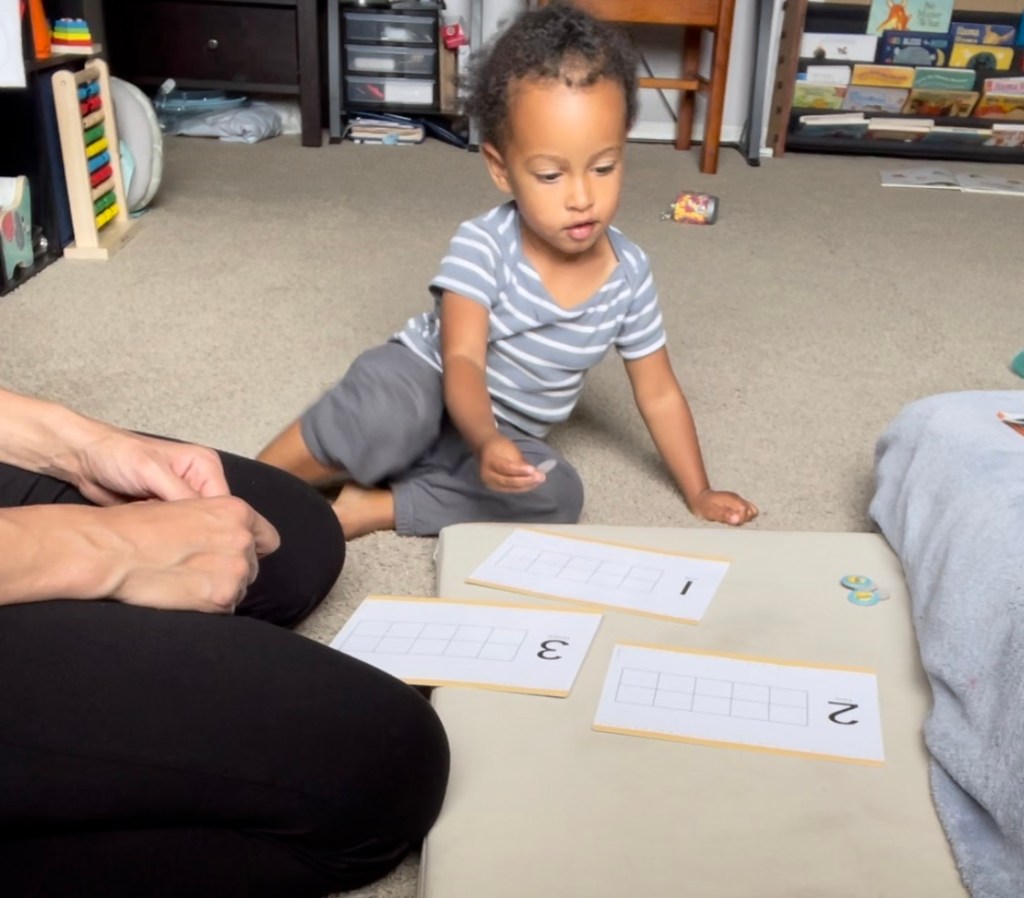
Ordinal Numbers
Ordinal numbers describe the position or order of objects in a sequence (first, second, third, etc.). While young children may not immediately grasp the difference between cardinal numbers (which tell how many) and ordinal numbers (which tell which position), they can naturally develop this understanding through everyday experiences and playful activities.
Can Babies and Toddlers Understand Ordinal Numbers? While infants and very young toddlers may not comprehend ordinal numbers explicitly, they experience order in their daily routines. Recognizing patterns, sequences, and positions helps lay the foundation for later understanding.
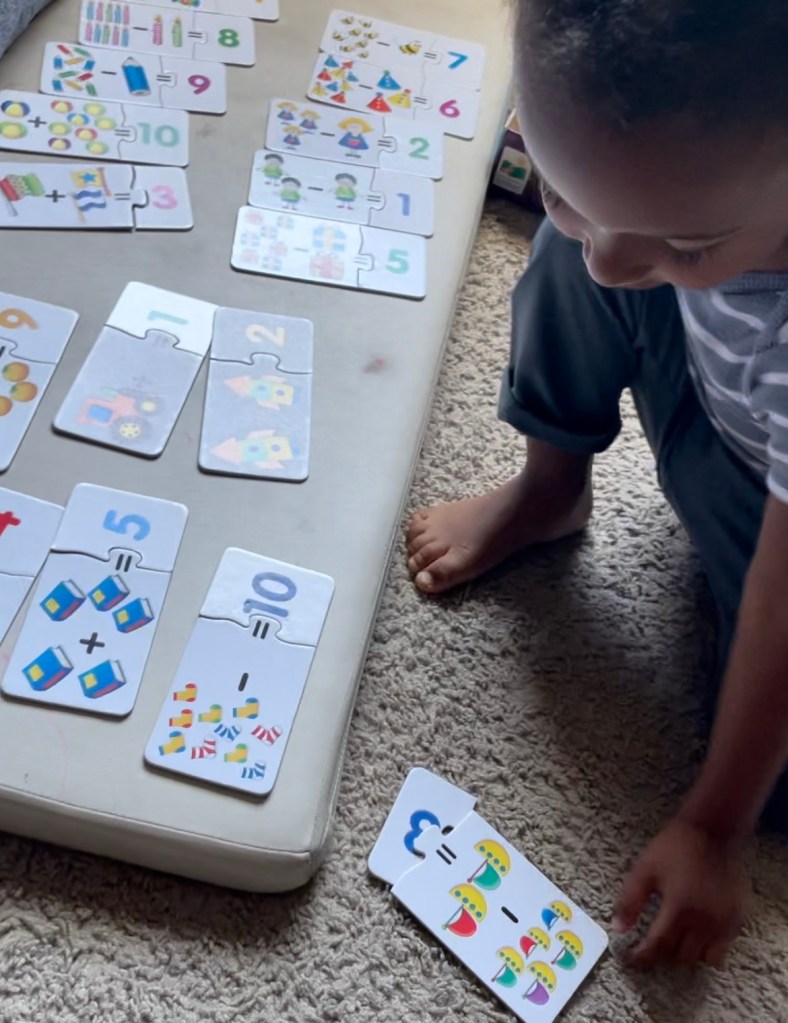
Addition and Subtraction
Introducing addition and subtraction early on can be a natural and enjoyable process for young children, even babies. While infants and toddlers may not fully understand formal addition or subtraction, they can begin to grasp basic concepts of combining and separating through play and everyday activities. This approach builds an intuitive foundation that will support their understanding of math as they grow.
Can Babies Understand Addition and Subtraction? Research suggests that babies and toddlers have a basic sense of quantitative change, meaning they can perceive when items are added to or taken away from a small group. For example, studies show that infants can recognize if an expected amount of objects has changed, which suggests an intuitive grasp of “more” or “less” rather than formal arithmetic.
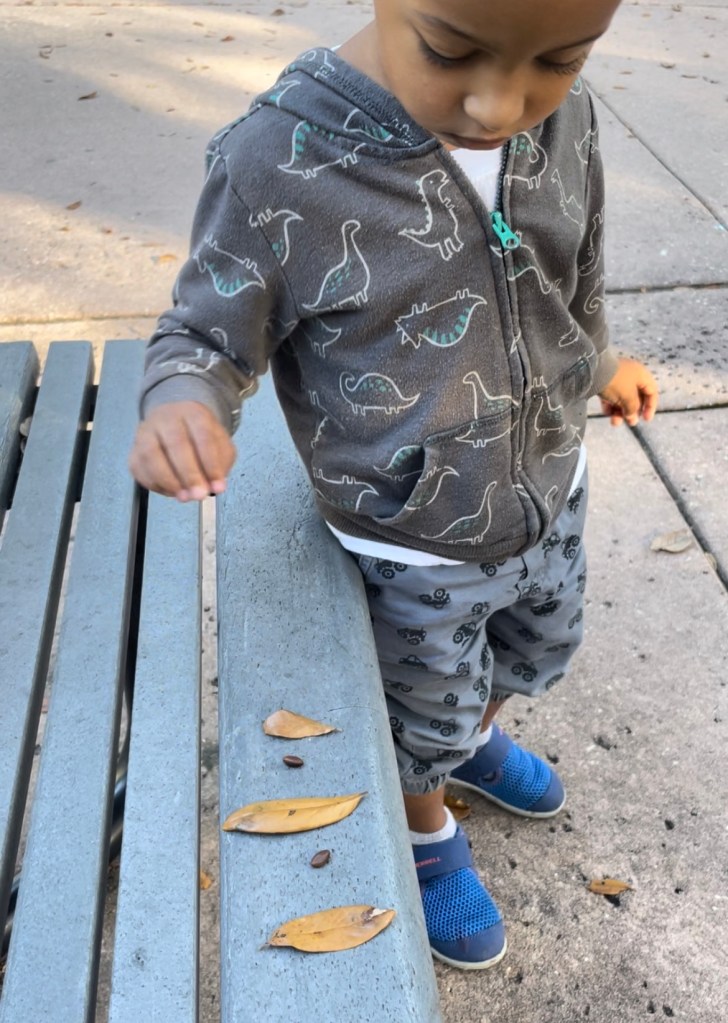
Understanding Patterns:
Patterns are everywhere in a child’s world—on clothes, in songs, in nature, and in daily routines. Recognizing and understanding patterns is an essential early math skill that helps develop logical thinking, problem-solving, and even early reading skills. Babies and toddlers naturally notice repetition, and with playful guidance, they can begin identifying, predicting, and creating patterns.
Can Babies and Toddlers Understand Patterns? Even before they can speak, babies recognize repetitive sequences in their environment. From rhythmic sounds to visual designs, they naturally absorb and respond to patterns.
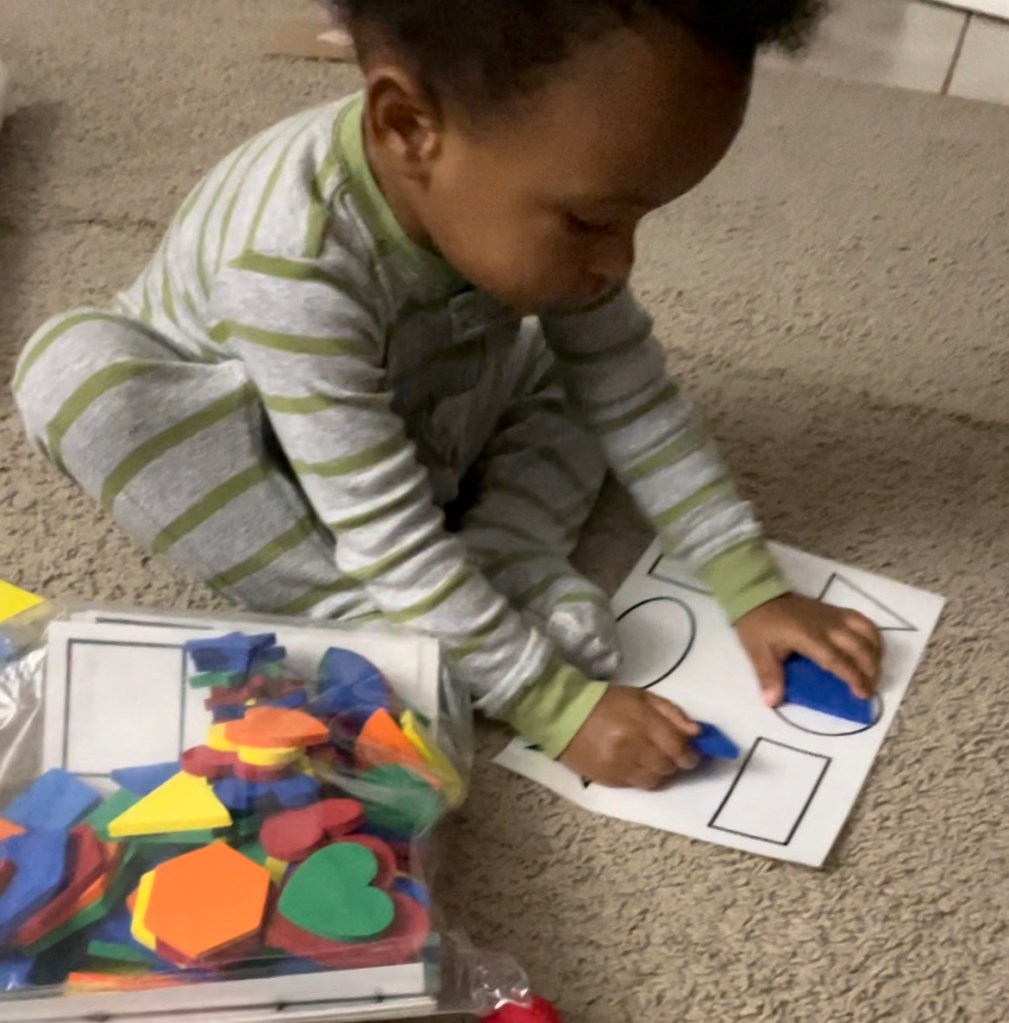
Shapes and Spatial Awareness
Understanding shapes and spatial relationships is a key foundation for math, problem-solving, and even early literacy. Long before children learn geometry in school, they begin recognizing and interacting with shapes and spatial concepts in their everyday environment. Encouraging this awareness through play helps them develop spatial reasoning, which is crucial for understanding patterns, symmetry, and later mathematical concepts like area and volume.
Can Babies and Toddlers Understand Shapes and Spatial Awareness? Yes! From an early age, babies notice differences in shapes and how objects relate to each other in space.
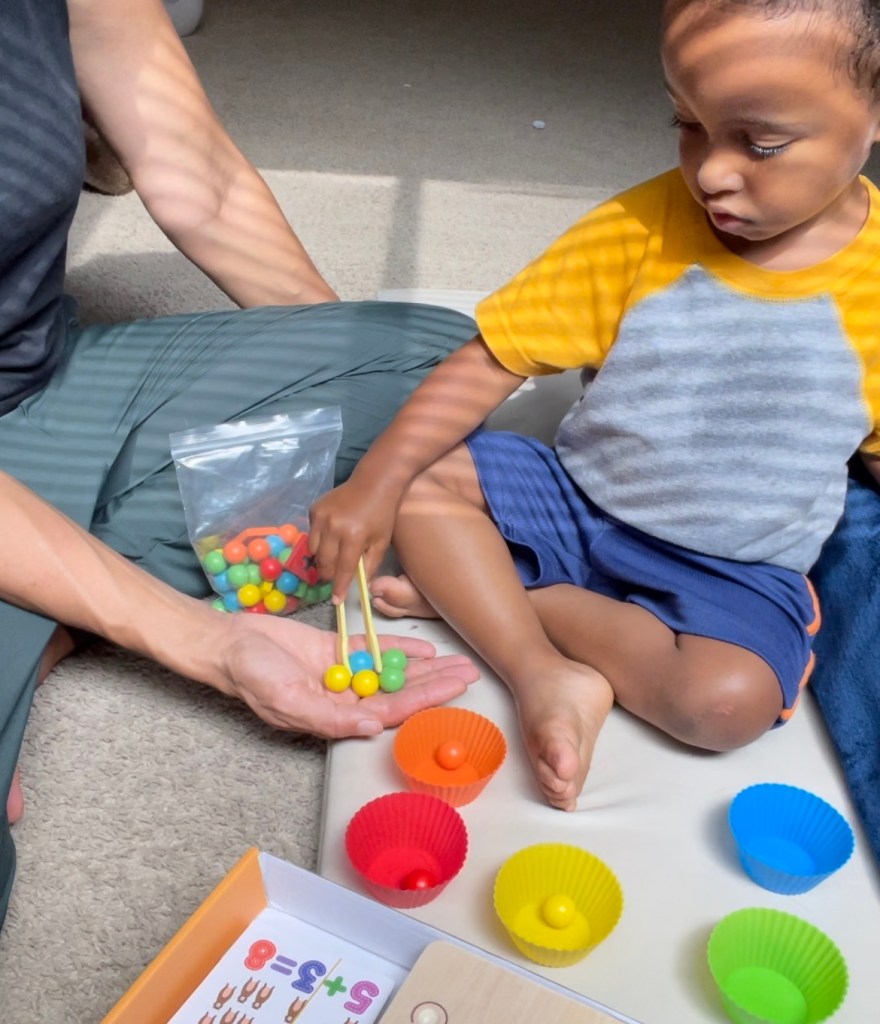
Sorting and Classification:
Sorting and classification are fundamental cognitive skills that help children make sense of the world around them. By grouping objects based on similarities and differences, children develop logical reasoning, attention to detail, and early math skills. These abilities are also closely linked to problem-solving and scientific thinking.
Can Babies and Toddlers Understand Sorting and Classification? Even before they can speak, babies begin to notice similarities and differences. They recognize familiar faces, distinguish between voices, and show preferences for certain toys. As they grow, they naturally begin sorting objects, often without realizing it.
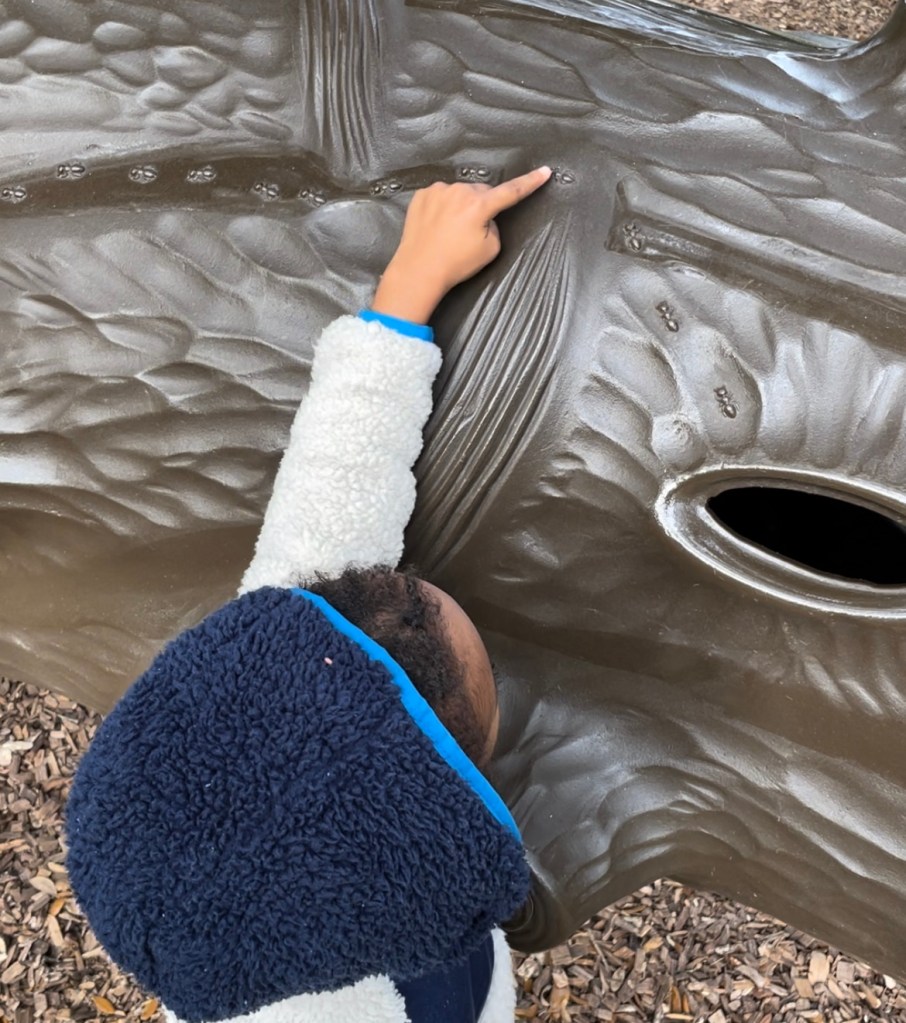
Counting
Counting is one of the first math skills children develop, forming the basis for understanding numbers, operations, and problem-solving. However, before children truly grasp numbers, they need to experience counting as a meaningful activity rather than just memorizing a sequence of words. Teaching counting through play ensures children develop both number sense and an intuitive understanding of quantity.
Can Babies and Toddlers Understand Counting? Yes! Even before they can say numbers, babies and toddlers begin developing an understanding of counting principles through daily interactions.
Comparing and Contrasting Quantities:
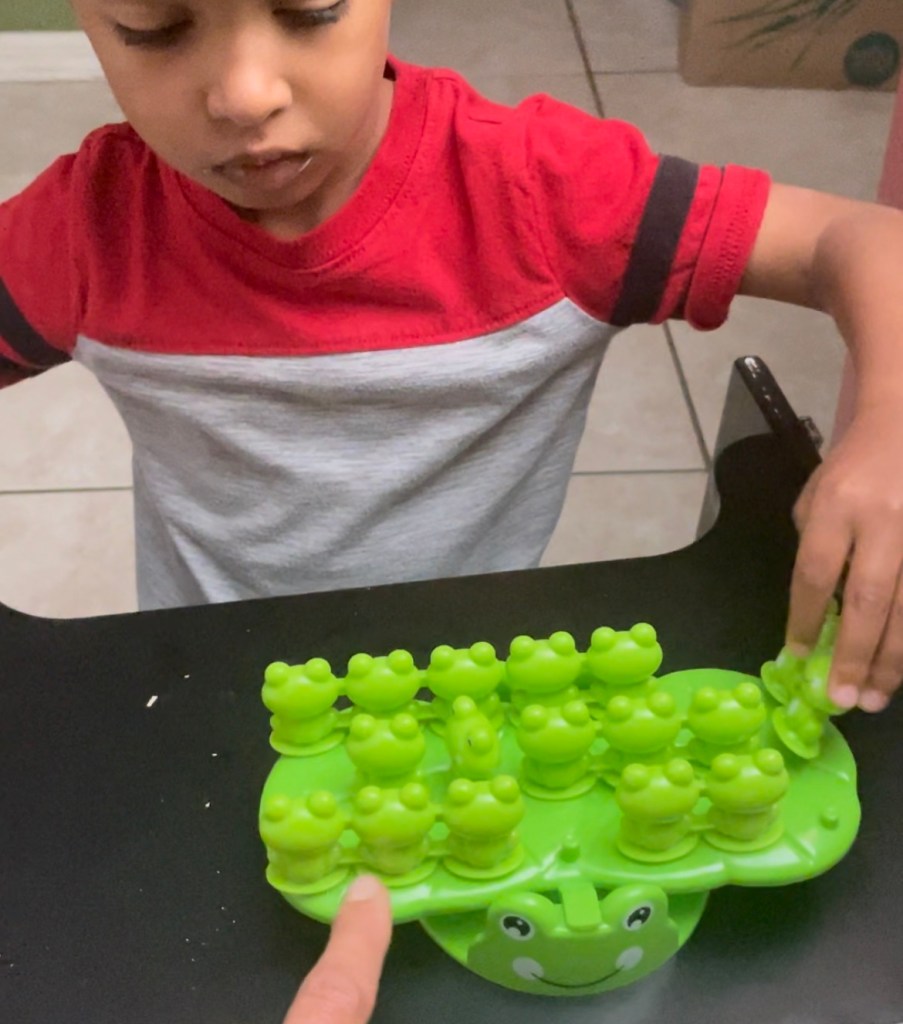
Comparing and contrasting quantities is one of the first steps in understanding numbers and mathematical relationships. Long before children learn to count, they notice differences in amounts—whether one plate has more food than another or one pile of toys is bigger than the other. These early observations lay the foundation for number sense, estimation, and problem-solving skills.
Can Babies and Toddlers Understand Comparing Quantities? Yes! Even infants demonstrate an awareness of quantity differences. Studies show that babies as young as six months can distinguish between “more” and “less” when presented with groups of objects.
Matching and Grouping
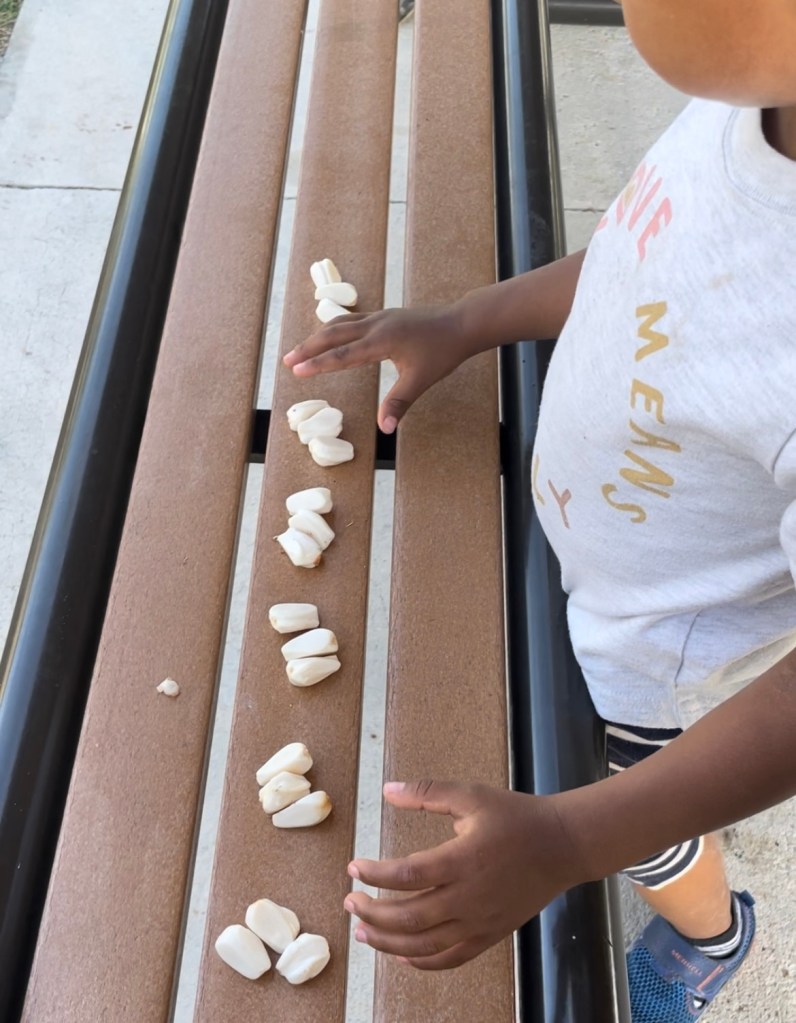
Matching and grouping are fundamental early math concepts that help children make sense of the world around them. These skills lay the foundation for logical thinking, categorization, and problem-solving—key abilities needed for understanding patterns, numbers, and later mathematical operations. Through playful activities, children learn to recognize similarities, differences, and relationships between objects, which strengthens their ability to organize information.
Can Babies and Toddlers Understand Matching and Grouping? Yes! Even before they can speak, babies and toddlers begin to notice similarities and differences in objects.
Measurement Basics
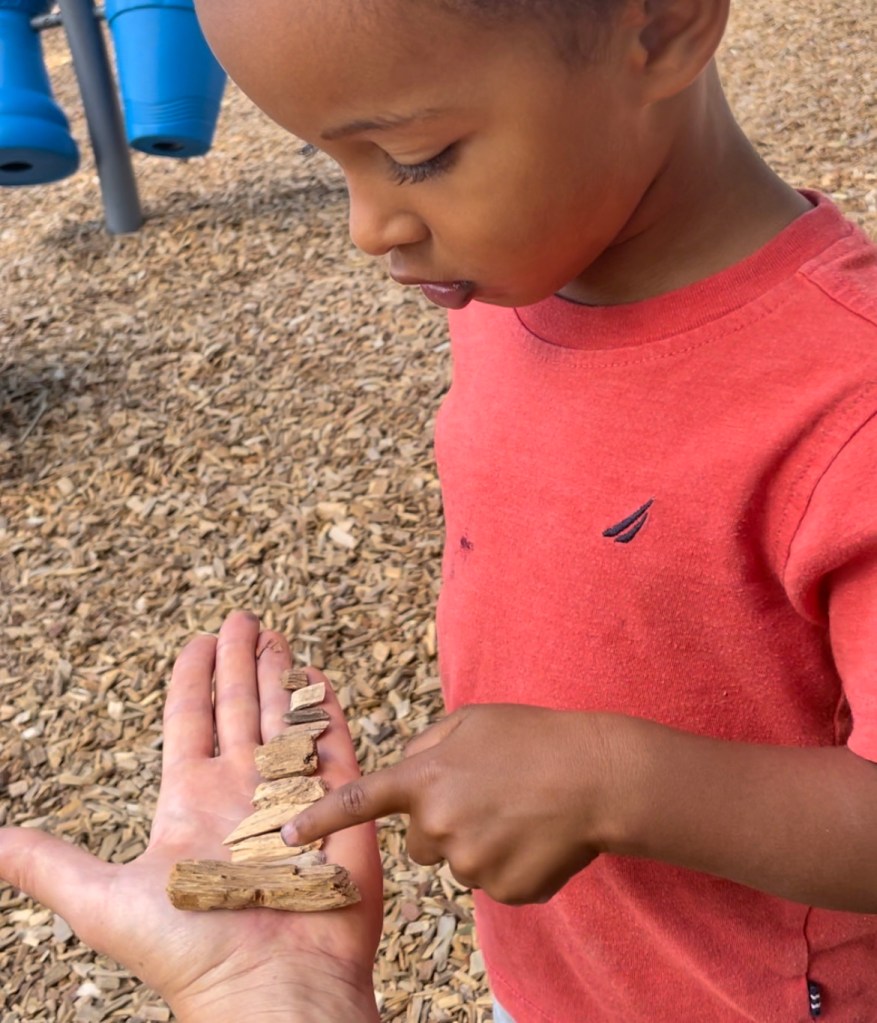
Measurement is a fundamental math skill that helps children understand the world around them. Before they learn standard units like inches or liters, young children develop an intuitive sense of size, weight, length, and volume through hands-on exploration. Introducing measurement concepts early through play builds problem-solving skills, spatial awareness, and logical thinking.
Can Babies and Toddlers Understand Measurement? Yes! Even the youngest learners naturally explore measurement concepts in their daily interactions.
Introducing Money
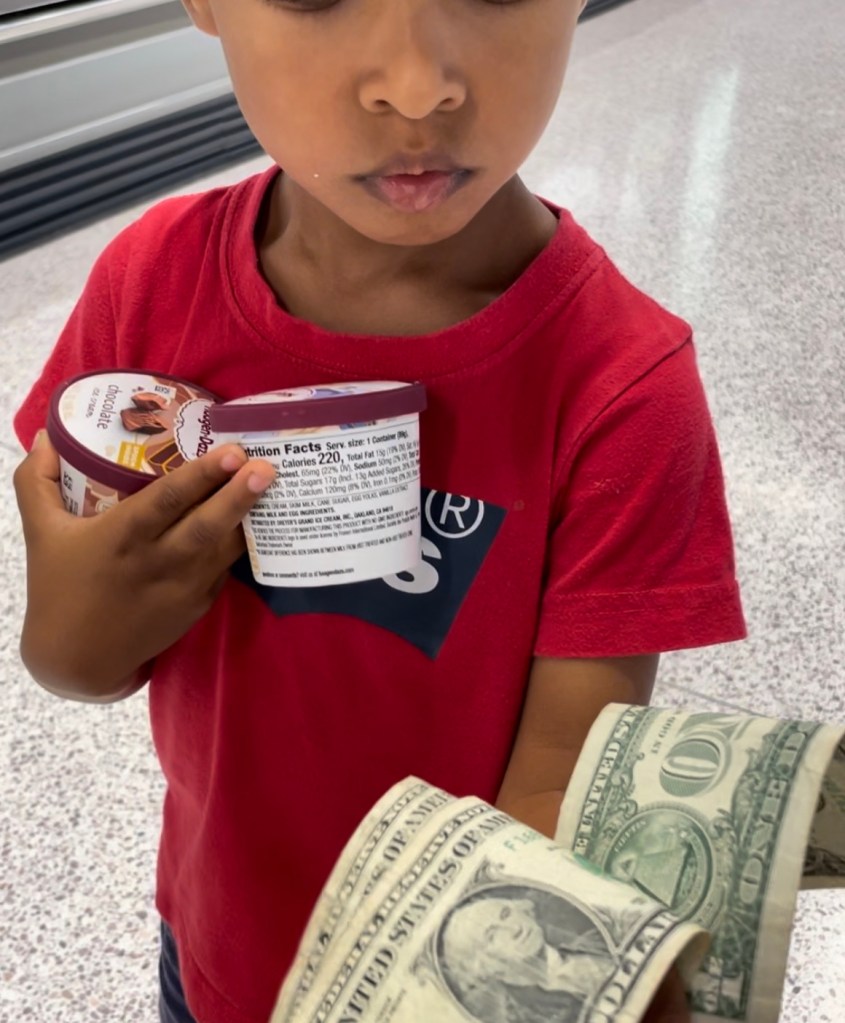
Understanding money is an essential life skill that connects math to real-world experiences. While babies and toddlers won’t grasp the value of money immediately, they can begin to recognize coins, bills, and basic financial concepts through playful interactions. By introducing money early in a fun and hands-on way, we lay the groundwork for financial literacy and practical math skills.
Can Babies and Toddlers Understand Money? Yes! While they won’t understand the value of money right away, they can start recognizing coins, bills, and the concept of exchanging money for goods.
