When most parents think about teaching their little one to read, they picture stacks of flashcards, big red words, and short, snappy sessions. What often gets overlooked, though, is how we present those words. That “how” makes all the difference — and it’s wrapped up in something as simple as inflection.
What Is Inflection?
In reading, inflection is the rise and fall of our voice, the way we add emotion and expression when speaking. Think of how differently you might say:
“Jump!” with an excited bounce, versus “Jump.” in a flat, robotic tone.
Same word, totally different experience.
Why Inflection Matters in Early Reading
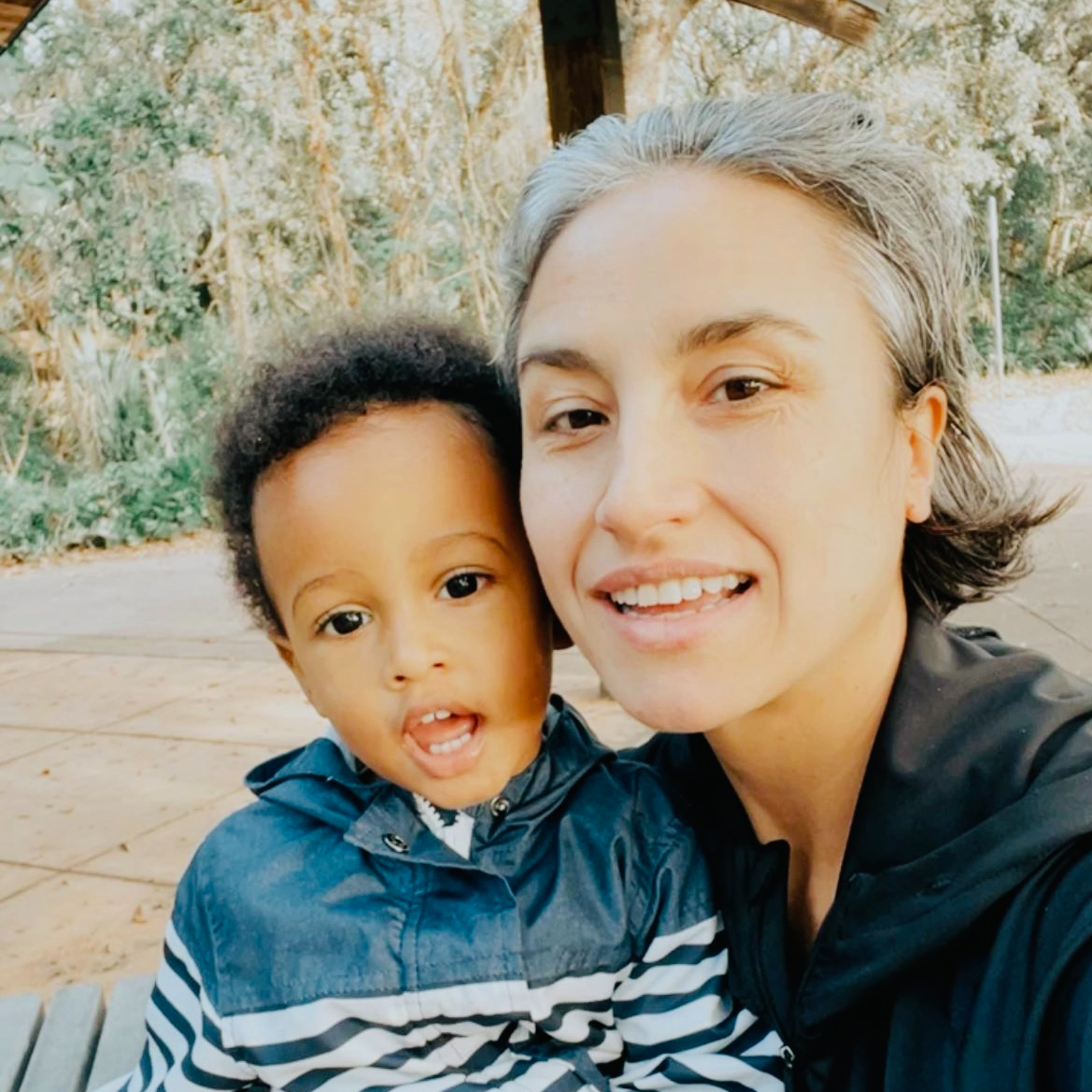
When you flash a card to your baby, they’re not just seeing letters on paper — they’re absorbing the entire experience: your smile, your tone, your enthusiasm.
✨ Here’s what inflection does:
Captures attention. Babies love rhythm and variety. A voice that sings, rises, or softens naturally draws them in. Conveys meaning. Long before a child can sound out words, they pick up on your tone. Your inflection helps them sense whether a word is exciting, gentle, funny, or urgent. Creates joy. A warm, expressive voice tells your child: “Reading is fun! Being with mom is fun!” That emotional bond is just as important as the learning itself.
Mom’s Attitude Counts Most
The beautiful thing is: you don’t need to be a performer. You don’t need dramatic voices for every word. Just let your natural warmth come through. If you’re smiling, engaged, and enjoying the process, your child will feel it.
Remember, children read our attitude more than they read our technique. A monotone “CAT” says, “Let’s get this over with.” A playful, affectionate “Caaat!” says, “I love showing you this!”
A Simple Example
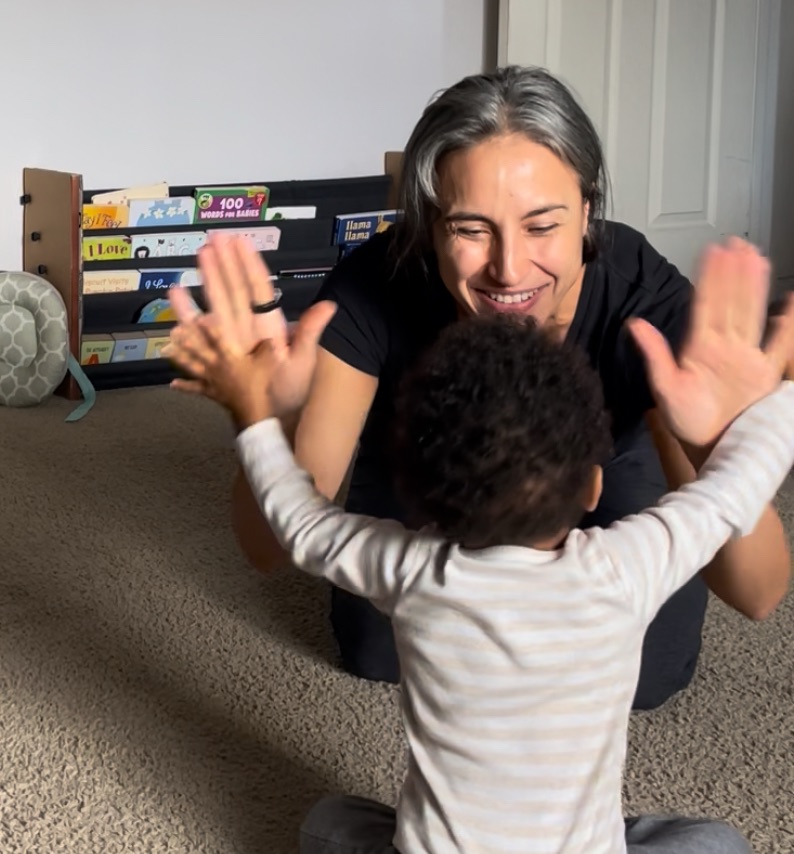
Next time you flash the word “jump,” try saying it with a little bounce in your voice — maybe even hop yourself. Your baby’s eyes will light up, because they’re not just learning a word, they’re experiencing it.
👉 The takeaway: Inflection is the invisible ingredient that makes early reading alive. Flashcards give structure, but your voice gives heart.
And if you’re wondering how inflection fits into the bigger picture — how many words to show, how to organize sessions, and what a full reading program looks like — I’ve written a detailed guide on the technical structure of the reading program. You can read it [here →].

