When you first hear that babies can learn to read, your first instinct might be confusion—or even doubt. That’s normal. The topic brings up strong reactions because it touches on early development, parenting choices, and ideas about what kids should be doing at certain ages.
The truth? There are many different opinions on this. And each one comes from a different experience, mindset, or professional background.
Let’s walk through them.
1. The Curious Mom
She heard a friend tried it, got curious, and gave it a go.
At first, it felt strange—but her baby loved it. She noticed engagement, interest, and recognition. Now, she’s all in. Not because it’s a trend—but because it works for her family.
2. The Phonics Specialist
She’s trained in the science of reading—decoding, segmenting, blending sounds.
For her, introducing whole words before phonemic awareness goes against everything she studied. She’s not against parents exploring new ideas—just cautious without peer-reviewed evidence.
3. The Neuroscientist
He knows how the brain develops in early life.
He recognizes how powerful early stimulation is, but raises concerns: Is this reading or memorization? What are the long-term effects on the developing brain? He wants more data before drawing conclusions.
4. The Classroom Teacher
She’s taught kids who started reading whole words long before they were taught to “sound it out.”
She saw that when reading made sense, some kids naturally developed phonics skills afterward. When reading begins with meaning, other pieces can fall into place organically.
5. The Education Researcher
She points out that most reading studies begin in kindergarten or later.
Babies and toddlers are rarely studied in this context, which leaves a gap. Her position isn’t that it doesn’t work—just that it hasn’t been measured formally yet.
6. The Research Scholar
He explains that no research doesn’t mean no results.
Science relies on funding, strict structures, and data collection—none of which easily apply to what parents do at home. That doesn’t mean it’s invalid. Families all over the world are showing success. That’s a starting point, not something to be dismissed.
7. My Perspective
I discovered this method before I even knew about the “reading wars.”
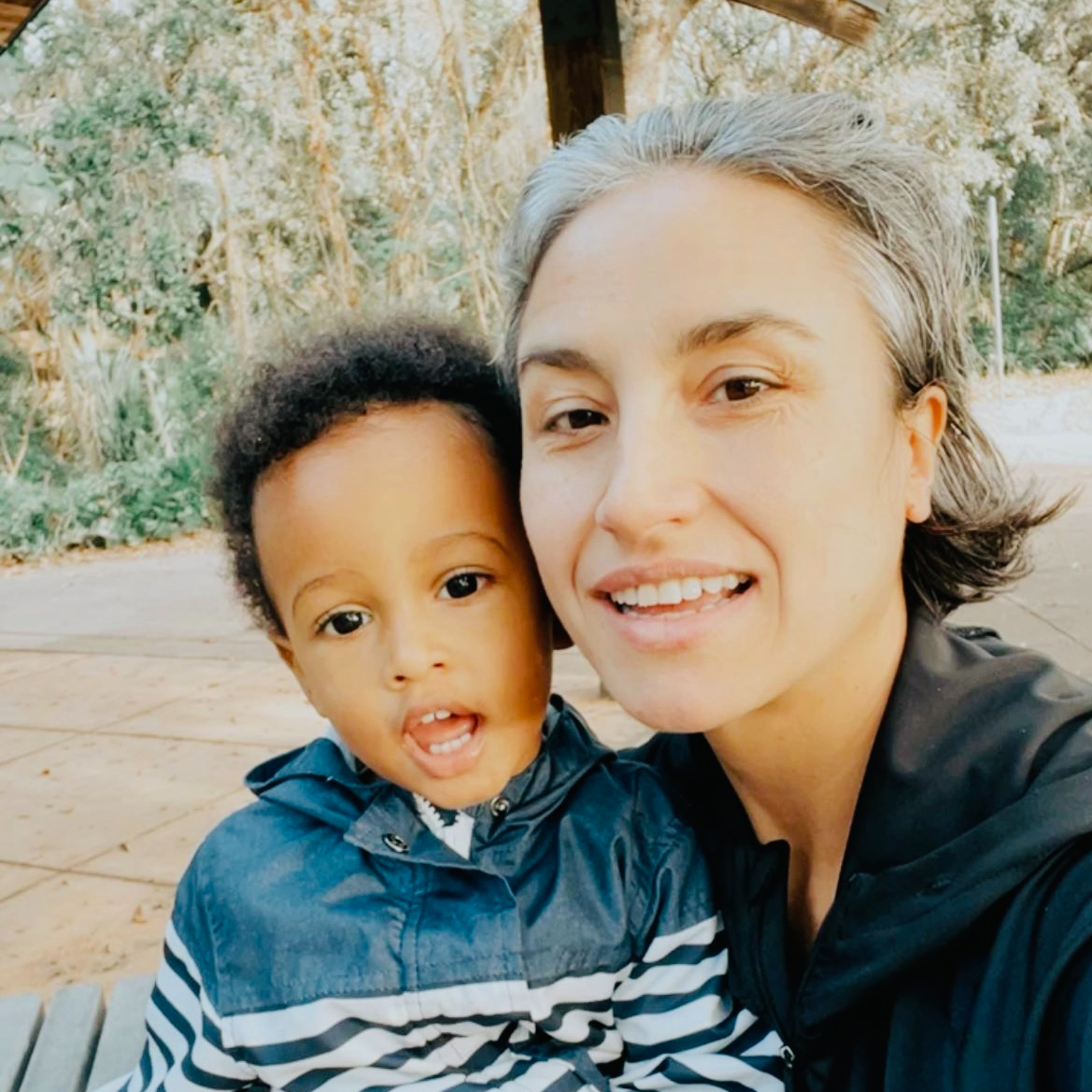
I started showing words to my baby at 8 months, following the Glenn Doman approach. At first, it felt awkward—like maybe nothing was happening. But as I kept going, I saw something change. He enjoyed it. He recognized words. We began doing it in multiple languages. And it gave me a way to support language maintenance and literacy at the same time.
Now, years later, he reads fluently. Not perfectly—he still stumbles on some words. But we use that as an opportunity to decode and blend. It all builds on the foundation we laid early on. That’s why I continue to share our journey.
What This All Tells Us
These voices don’t agree—and that’s okay. Each one reflects a unique lens:
- Some speak from formal training
- Others from scientific caution
- Some from real-life classroom experience
- And many, like me, from deep, hands-on parenting
The takeaway? You don’t have to choose a side. You just have to stay connected to your child, your instincts, and your long-term goals.
If You Feel Called to Try…
Don’t stop at a sight word list.
Don’t wait for school to define what your child is capable of.
Instead:
- Follow your baby’s joy
- Keep it playful
- Be consistent with daily exposure
- Grow in complexity over time
- Trust that you are the most qualified teacher your baby will ever have
Start With a Sample Program I Love
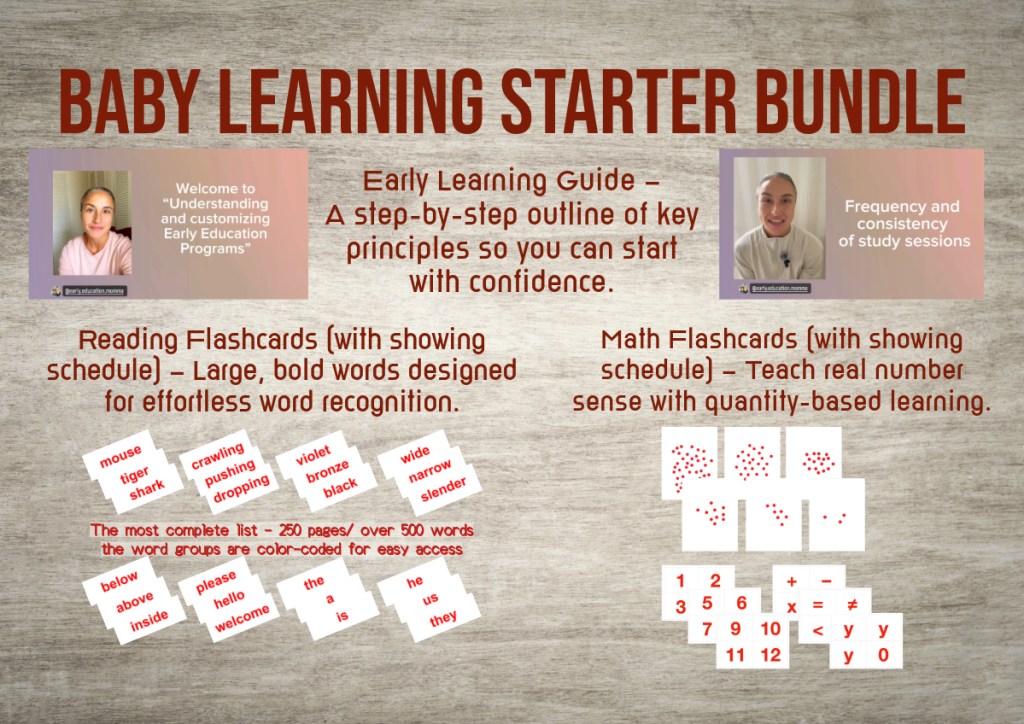
If you’re ready to try this approach, I’ve created a starter pack filled with what I wish I had when I began:
- Short videos that walk you through the essentials
- Downloadable word cards and math dot cards inspired by Doman’s method
- Showing schedules that will help you get in the rhythm of homeschooling since babyhood
It’s playful, simple, and a great way to see how whole word reading can look in real life.
👉 Get your digital starter pack here.
Trust your instincts, follow your child’s joy, and build something meaningful—one word at a time. 💛

