
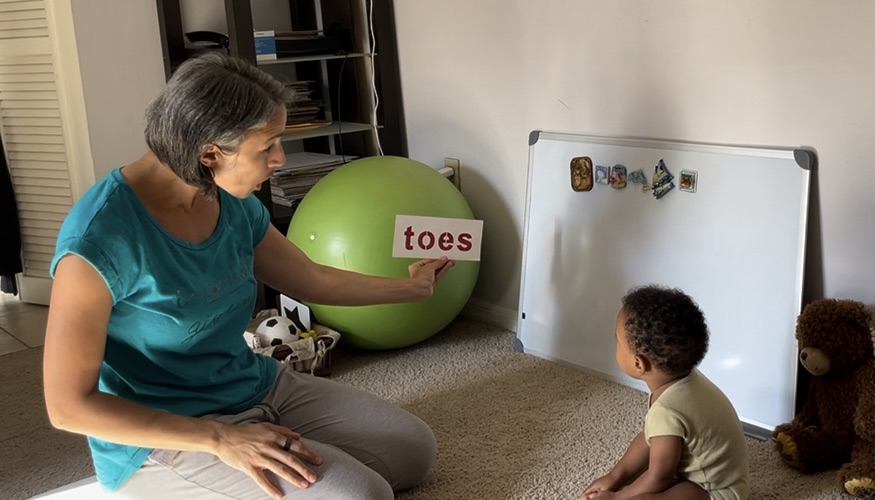
Teaching your baby to read can feel bold — even radical. Most kids don’t start formal reading instruction until age 5 or 6. But early reading is not about pushing or pressuring. It’s about creating a loving, responsive environment where language and print are a joyful part of everyday life.
I’ve researched, practiced, and taught my own child from babyhood. After years of this experience, I’ve found that a successful early reading journey is built on five essential pillars. Whether you’re just starting or you are refining your routine, these five elements will keep your program strong. They will make it effective. They will root it in connection.
1. Consistency Is Everything

Babies thrive on repetition. In the early months and years, their brains are wiring up at lightning speed — and they love predictability. A consistent reading routine, even if it’s just 1–2 minutes a few times a day, builds trust. It helps the brain recognize patterns over time.
It doesn’t need to be long or perfect. A few bold words shown clearly, day after day, makes a far greater impact than a once-in-a-while, elaborate setup.
Tip: Anchor your reading time to something that already happens daily. Choose times like after a nap or before mealtime. This makes it easy to maintain.
2. Positive Emotional Energy

Your mood matters. When you’re enthusiastic and relaxed, your baby picks up on that energy. It shapes how they feel about reading, too.
In fact, research in neuroscience confirms that positive emotional states enhance learning. The brain releases dopamine when we’re enjoying something, and dopamine strengthens memory and motivation. Babies learn best when they feel safe, loved, and connected.
So if you’re feeling frustrated or rushed, it’s okay to pause. A short, happy session will always be more effective than a long, stressful one.
3. Step-by-Step Progression (with Movement!)
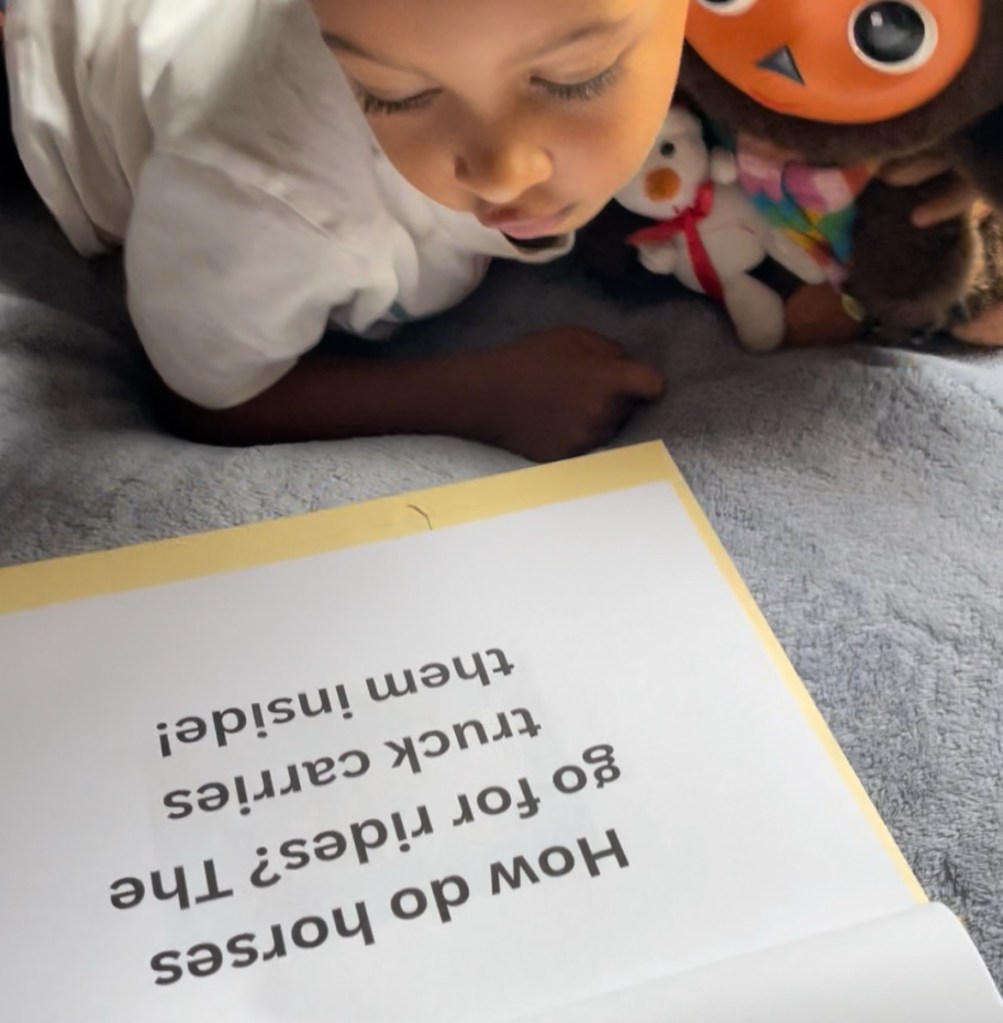
While starting slow is wise, staying in one stage too long can actually lead to boredom. Once you and your baby find your rhythm, they need forward movement.
Start with large single words — then introduce word combinations, simple phrases, and eventually whole books. Progression keeps the brain challenged and engaged. It also shows your child that reading isn’t a flashcard trick. Reading is a gateway to real language and real ideas.
The key is to move forward with joy, not pressure.
4. A Rich Vocabulary from the Start
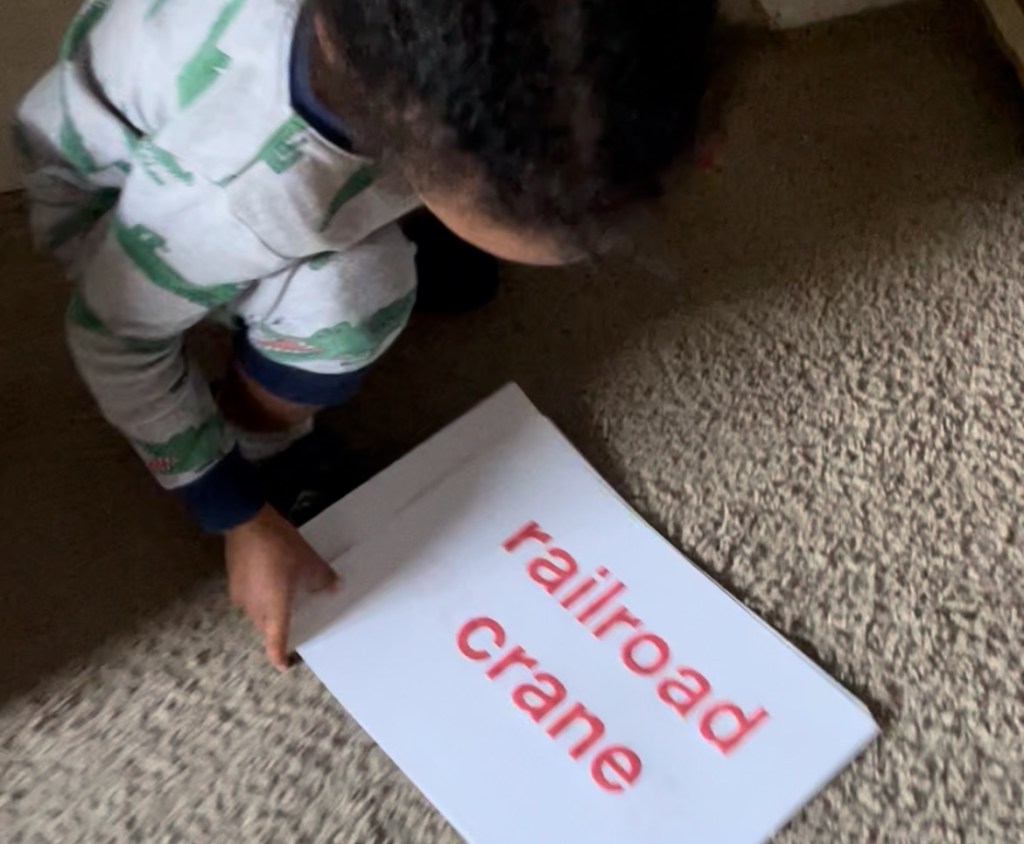
Babies are natural word collectors. They don’t need watered-down “baby talk” — they benefit from hearing and seeing a rich, diverse vocabulary from day one.
Using real, meaningful words enhances language comprehension. Even big words strengthen understanding. This sets the stage for better reading later on. Research shows that early vocabulary exposure is closely tied to future academic success. The gap can start to show as early as age 2.
So don’t be afraid to introduce fun or “grown-up” words if they’re meaningful in your world. Words like “stethoscope,” “parachute,” or “delicious” can be part of your reading program, too.
5. Your Faith in the Process

This one is powerful — and often overlooked. Your belief in what you’re doing shapes your child’s belief in themselves.
When you approach early reading with calm confidence, your child feels that. They begin to trust the process simply because you trust it. On the other hand, if you feel unsure or doubtful, they can sense that, too. This uncertainty can cause confusion or hesitation.
Faith in the process isn’t blind optimism. It’s rooted in watching how your baby responds, adapting as needed, and continuing with quiet persistence. Even if progress seems slow on the surface, learning is happening beneath.
In Closing
The tools you use — flashcards, books, word games — are just one part of the puzzle. What truly powers early reading success is your relationship with your child. The joy you bring to your sessions is also important. Additionally, the steady structure you build day by day contributes immensely.
So if you’re worried about doing it “right,” start with these five pillars. Keep it simple. Keep it joyful. And trust that every little word you share is planting something beautiful.


