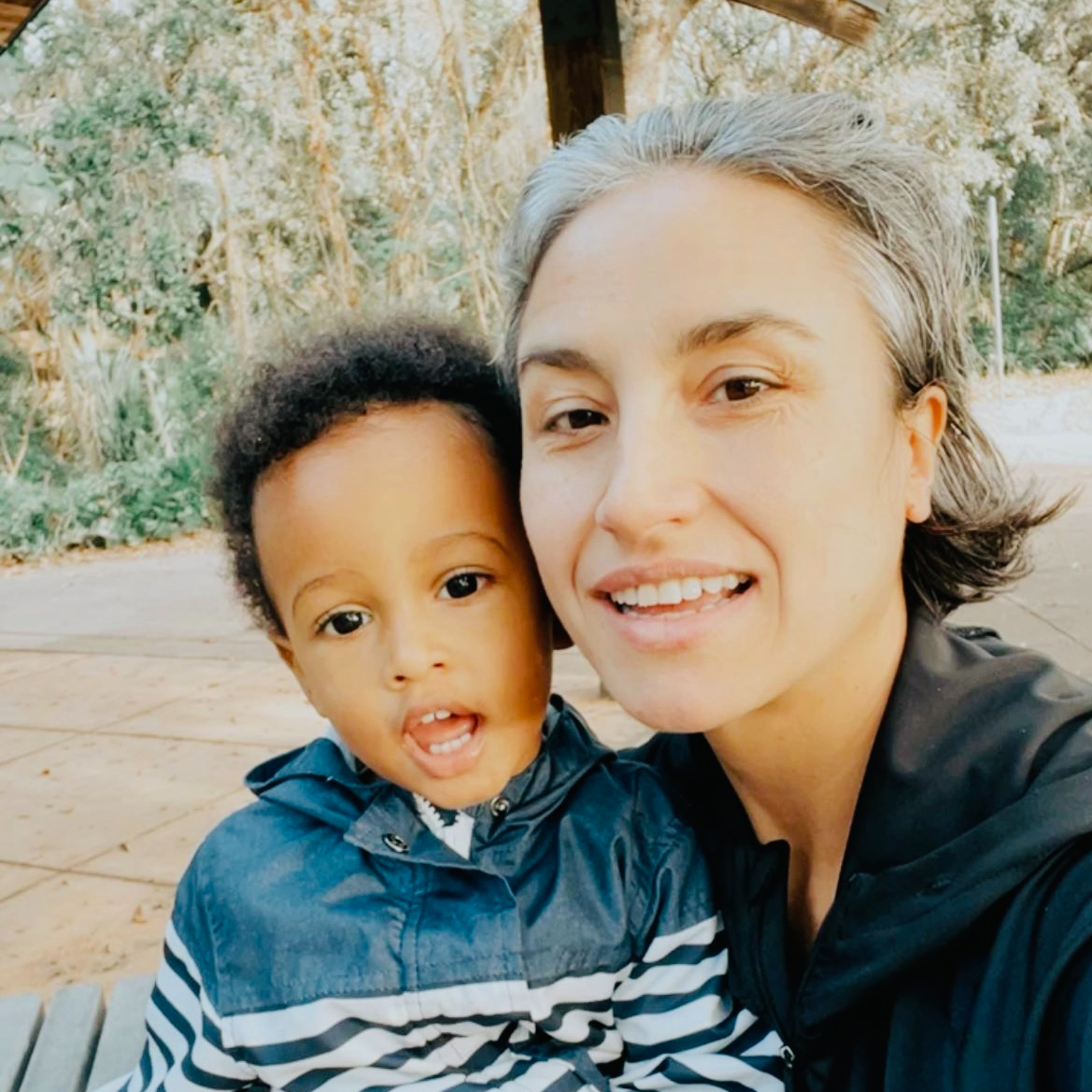
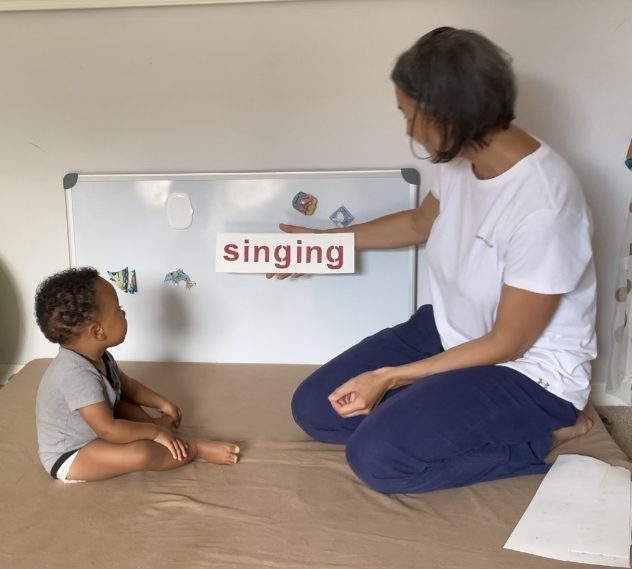
Every parent wonders: When is the best time to start teaching reading? The answer is simple—whenever your child is ready! Whether you start from birth or at age five, the key is adapting to their developmental stage and making reading a natural, enjoyable experience.
This guide breaks down the best approach for each age group, from newborns to preschoolers.
Birth to 3 Months: Visual Stimulation Comes First
At this stage, reading isn’t about learning words—it’s about developing vision. Newborns can only see high-contrast images, so showing large, bold words in black and white helps stimulate their eyesight.
How to Start:
✔ Use big, bold words on high-contrast cards.
✔ Keep the card still and let your baby focus.
✔ Start with a few key words (like their name) and show them several times a day.
✔ Repeat words daily, introducing new ones gradually.
By 8–10 weeks, babies recognize words faster and can move into a more structured reading program!
3 to 6 Months: The Absorption Phase
Babies at this stage soak up information effortlessly. They don’t need repetition—they thrive on novelty! Their brains are wired for language, meaning they can absorb spoken and written words simultaneously.
How to Start:
✔ Introduce new words daily—repetition isn’t essential yet.
✔ Use large, clear print and say the word as you show it.
✔ Reading at this stage boosts language skills and can even accelerate speech!
Your baby may not speak yet, but reading is a sensory skill, not a speaking skill—just like listening!
7 to 12 Months: Keep It Short & Engaging
Once babies become more mobile, they won’t sit still for long reading sessions—but they still love to learn! Sessions should be quick and frequent to match their busy schedule.
How to Start:
✔ Show just 5 words at a time to keep their attention.
✔ Keep sessions very short—just a few seconds each!
✔ Adapt to their changing interests so reading stays fun.
At this stage, reading should fit into their exploration-filled days, rather than interrupting them.
12 to 18 Months: Speed & Movement Matter
Toddlers at this age are constantly on the move, making short, spontaneous reading sessions the best approach.
How to Start:
✔ Show 1–3 words per session—keep it ultra-brief!
✔ Stop before they lose interest to maintain excitement.
✔ Keep reading fun, frequent, and flexible—no pressure!
Your child is in an intense physical development stage, so reading must fit their rhythm.
18 to 30 Months: Let Them Take the Lead
At this stage, toddlers are strong-willed and love feeling in control. The best way to keep them engaged? Let them choose what they learn!
How to Start:
✔ Pick words they love (favorite foods, toys, emotions).
✔ Move to phrases and short sentences quickly.
✔ Follow their enthusiasm—some will read aloud, others silently!
There’s no right or wrong way—engagement is the goal, not performance.
30 to 48 Months: Books, Books, Books!
By now, your child wants books—but still needs to follow the step-by-step pathway to reading fluency.
How to Start:
✔ Use sophisticated words related to their interests.
✔ Reinforce words in phrases and books to help retention.
✔ Keep introducing new words daily, while reviewing old ones.
Topics like dinosaurs, tools, and body parts (skull, humerus, collarbone!) will excite them far more than basic words like “cat” or “hat.”
48 to 72 Months: Independent & Confident Reading
Children at this stage may not absorb words as quickly as younger kids, but they can still become fluent readers—especially when reading is built around their interests.
How to Start:
✔ Let them choose their words—engagement is everything.
✔ After 30–40 words, start making homemade books using what they know.
✔ Skip forced reading aloud—it slows them down and reduces comprehension.
Reading is done with the eyes, not the mouth! Silent reading lets them read faster and understand more.
The Key to Success at Any Age
✅ Make reading enjoyable—pressure kills motivation.
✅ Adapt to your child’s pace—every child is unique.
✅ Books are the goal—keep progressing toward fluent reading.
The earlier you start, the easier it is—but it’s never too late! No matter when you begin, focus on keeping it fun, stress-free, and led by your child’s curiosity.


