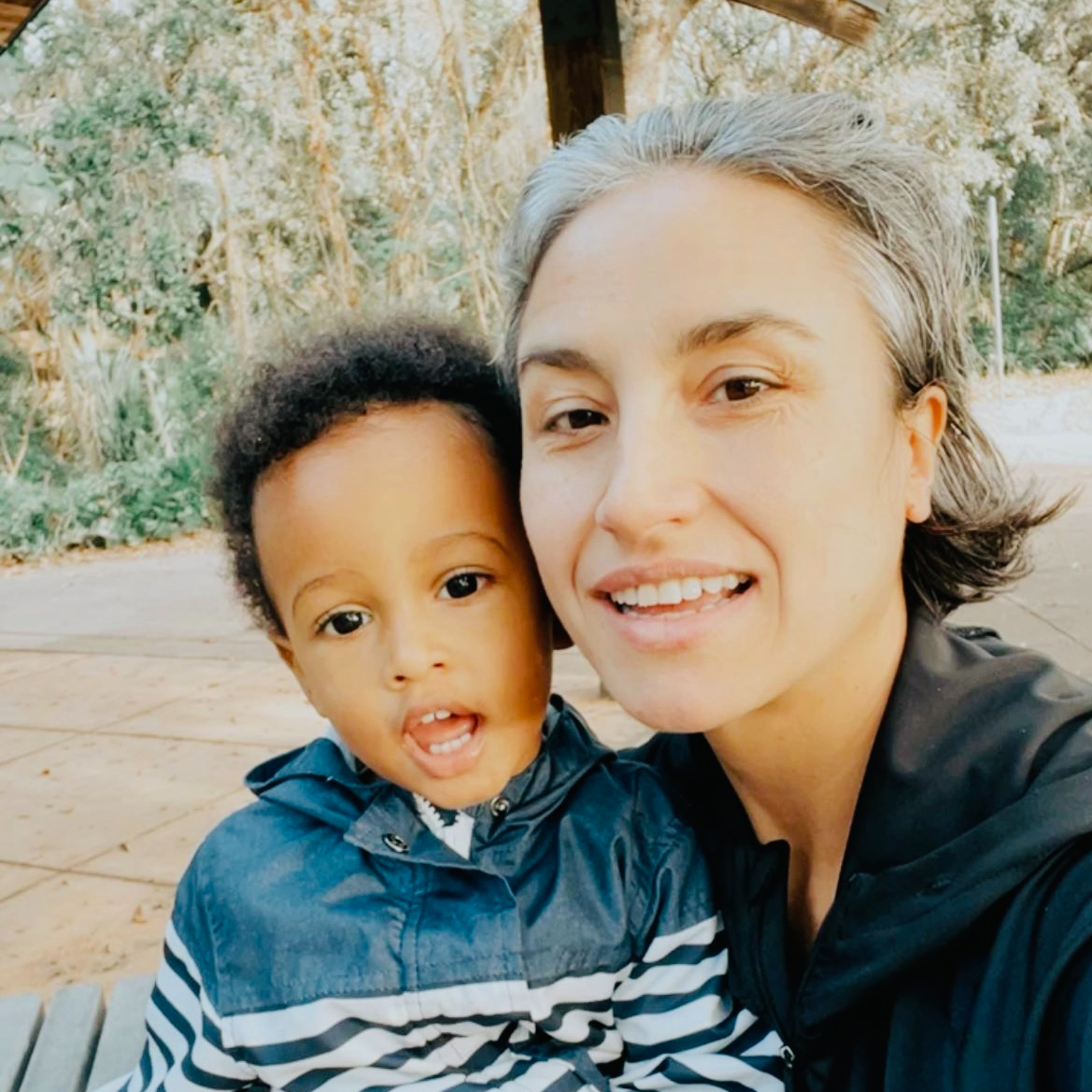
Screens are everywhere in today’s world, and while many parents aim for minimal screen time, the reality isn’t always that simple. For parents of babies and toddlers, the challenge lies in striking the right balance between avoiding tech distractions and using screens purposefully as part of a child’s early learning journey.
For us, the choice wasn’t about completely eliminating screens but about making them a tool for education rather than entertainment. Here’s what we learned and how you can find that balance too.
Why Less Screen Time is Best for 0-2-Year-Olds
The first two years of life are a time of rapid brain development. During this critical period, babies learn best by exploring the world around them, engaging with caregivers, and developing motor and communication skills. Screens, while convenient, can’t replicate these real-world learning experiences.
Research shows that too much screen time at this age can:
1. Shorten attention spans.
2. Slow down language development.
3. Delay motor skills due to reduced physical play.
4. Interfere with sleep cycles.
But that doesn’t mean screens are inherently “bad.” The key lies in how and when they’re used.
Our Approach to Screen Time
When we started teaching our son Jasher to read at eight months old, we incorporated Glenn Doman-inspired methods using big, bold word cards and hands-on materials. However, there were times when screens became a valuable tool in supporting his learning journey.
Here’s how we used screens mindfully:
1. Word and Dot Flashcards
We created digital flashcards to introduce our boy to words and numbers. Using screens allowed us to show words and dots quickly and consistently, which aligned with the whole-word learning method.
2. Language Learning
Short videos featuring native speakers helped us expose the child to new languages, reinforcing the words and phrases we practiced during our daily routines.
3. Tracing and Fine Motor Skills
Simple tracing apps allowed our boy to practice hand-eye coordination as he got older. These short, interactive sessions complemented hands-on activities like drawing with crayons or tracing letters on paper.
4. Songs and Rhymes
Educational videos with songs and rhymes became a fun way to engage the child while reinforcing concepts like numbers, colors, and animals. We always watched these together and sang along to keep it interactive.
While these tools were helpful, we made sure that screens never replaced face-to-face interaction, real-world play, or hands-on exploration.
How to Balance Screens and Interactive Learning
If you want to include screens as part of your child’s learning journey, here are a few tips to keep it purposeful:
1. Prioritize Screen-Free Learning
Babies and toddlers learn best through hands-on activities. Read books, show physical flashcards, explore sensory toys, and talk to your child throughout the day.
2. Use Screens with Intention
If screens are needed, choose content that aligns with your educational goals, like flashcard apps, language videos, or tracing activities. Avoid passive screen time like TV shows or entertainment videos.
3. Always Co-View
Sit with your child during screen time. Talk about what they’re seeing, ask questions, and reinforce the learning through real-life examples.
4. Set Time Limits
For children under two, keep screen time short—5-10 minutes per session—and follow it with a hands-on activity to bring the lesson to life.
5. Create Screen-Free Routines
Make time for daily screen-free activities like reading, outdoor play, or sensory games. These moments are essential for motor, emotional, and social development.
Our Takeaway
For babies and toddlers, the real world is the best teacher. Every interaction, every movement, and every word spoken by a caregiver lays the foundation for lifelong learning. Screens can supplement this journey but should never replace it.
By using screens intentionally—for word flashcards, language exposure, or short interactive lessons—you can make them a valuable tool while still prioritizing the rich, real-world experiences your child needs to thrive.
What’s your approach to screen time for your little one? Let’s share ideas and learn together!
Follow me on social media for more tips on creating a meaningful early education journey.

